Why Are My Apples Bitter? How to Grow Sweeter Fruit
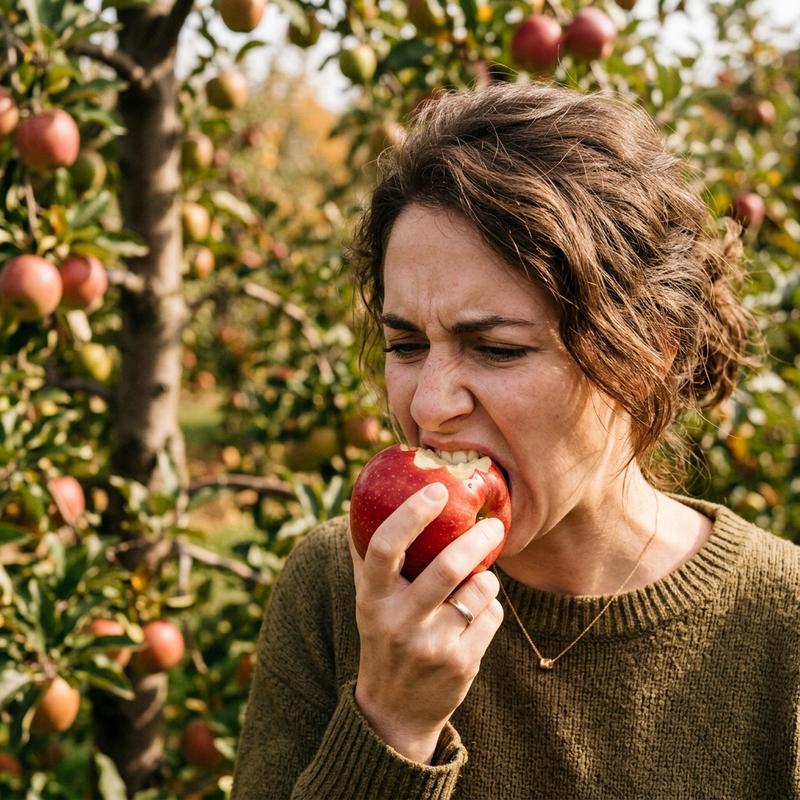
Biting into a homegrown apple expecting sweetness and finding a sour or bitter taste is disappointing. If you are asking **why are my apples bitter**, you are not alone. **Homegrown apples bitter** or sour tasting are determined by harvest timing, variety choice, and tree health. Understanding these factors makes it easy to avoid **bitter tasting apples** or **sour tasting apples** next season.
Homegrown Apples Bitter Because of Early Harvests
This is by far the most common cause of bitter, acid or starchy-tasting homegrown apples. Apples change dramatically in the final two to four weeks before their true harvest date — starches convert to sugars, acids mellow, and flavour compounds develop. Picked too early, all of these processes are incomplete. The starch-iodine test (cut an apple in half and brush with dilute iodine solution — mostly blue-black means unripe, mostly cream-white means ripe) gives a reliable readiness check. The easy-release test (cup the apple and twist gently — if it releases easily from the spur without pulling, it is ready) is a simple daily check.
Cooking Apple Varieties vs Dessert Eating Apples
Cooking apples (Bramley Seedling is the most common example) are naturally high in acid and low in sugar — they taste intensely sharp and unpleasant raw, which is exactly what makes them ideal for cooking. If you do not know what variety your apple tree is, checking against variety databases using the fruit's appearance, season and flavour profile may reveal that it is a cooker rather than a dessert apple.
Disorders and Pests Causing Bitter Tasting Apples
Bitter pit causes scattered small brown cavities in the flesh with a distinctly bitter taste, while the rest of the fruit may taste normal. See the bitter pit page for the cause and prevention. If only some bites are bitter, bitter pit rather than overall early harvest may be the explanation.
Lack of Sunlight and Soil Nutrients Resulting in Sour Fruit
Apple flavour development depends significantly on sunlight — both for sugar accumulation in the fruit directly and for the tree's overall photosynthetic capacity. Trees in shaded positions, or heavily shaded by other trees or buildings, consistently produce less sweet fruit than the same variety in full sun.
Grow sweeter, better-tasting apples with the right approach
The SelfEcoFarm apple guide covers the variety selection, harvest timing and growing conditions that produce consistently excellent-tasting apples from your home tree.
Get the apple guide