Organic Codling Moth Control: Stop Maggots in Apples
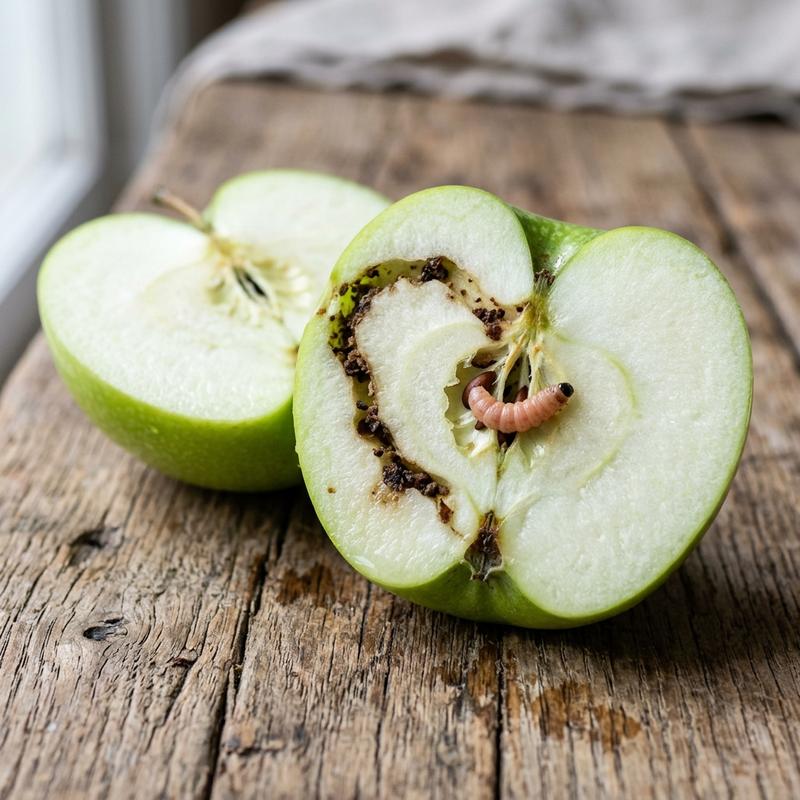
Cutting into an apple to find a caterpillar tunnel bored through the flesh toward the core is a classic sign of **maggots in apples**. Caused by the **codling moth** (*Cydia pomonella*), this widespread pest ruins a significant portion of home orchard crops. Effective **codling moth control** is crucial, as the damage is done completely invisibly inside the developing fruit until the larvae exit and the apple falls early.
Understanding the Codling Moth Lifecycle
Codling moth adults are small, grey-brown moths that begin flying in late spring (May–June in the UK). Females lay eggs singly on developing fruitlets or nearby leaves. Larvae hatch and bore immediately into the fruitlet, feeding through the flesh toward the core and seed cavity. After four to six weeks feeding, the mature larva exits through a hole in the fruit and descends to overwinter as a pupa in crevices of the bark, under loose bark, or in the soil near the tree base. There may be one or two generations per year depending on climate.
Using Pheromone Codling Moth Traps for Timing
Pheromone traps contain a synthetic version of the female moth's attractant pheromone. Hang traps in the tree from late April. Monitor catch numbers weekly — when catches rise significantly, adult moths are flying and eggs are being laid. Treatment timing is based on three weeks after the first significant catch (larvae have hatched by this point but not yet bored deep). Traps alone do not control the pest but give precise timing for other control measures.
Best Methods for Organic Codling Moth Control
Spray kaolin clay (a fine white mineral) onto developing fruitlets starting from fruitlet stage — the coating deters egg-laying females. Apply codling moth grease bands around the trunk to catch descending mature larvae before they pupate. Hang corrugated cardboard traps on the trunk to provide pupation sites — peel off and burn in autumn. The biological insecticide spinosad is highly effective against newly hatched larvae if applied at the correct timing window and is approved for organic use in many countries.
Preventing Future Generations of Maggots in Apples
Clean up fallen fruit promptly to prevent larvae from exiting and pupating. Encourage natural predators like birds and beneficial insects in the orchard. Ensuring tree trunks are kept free from loose, shaggy bark removes potential pupation hideouts.
Protect your apple crop from codling moth
The SelfEcoFarm apple guide covers the complete codling moth monitoring, timing and organic control approach for keeping maggots out of your apple harvest.
Get the apple guide