Apple Tree Flowering but No Fruit: Causes of Pollination Failure
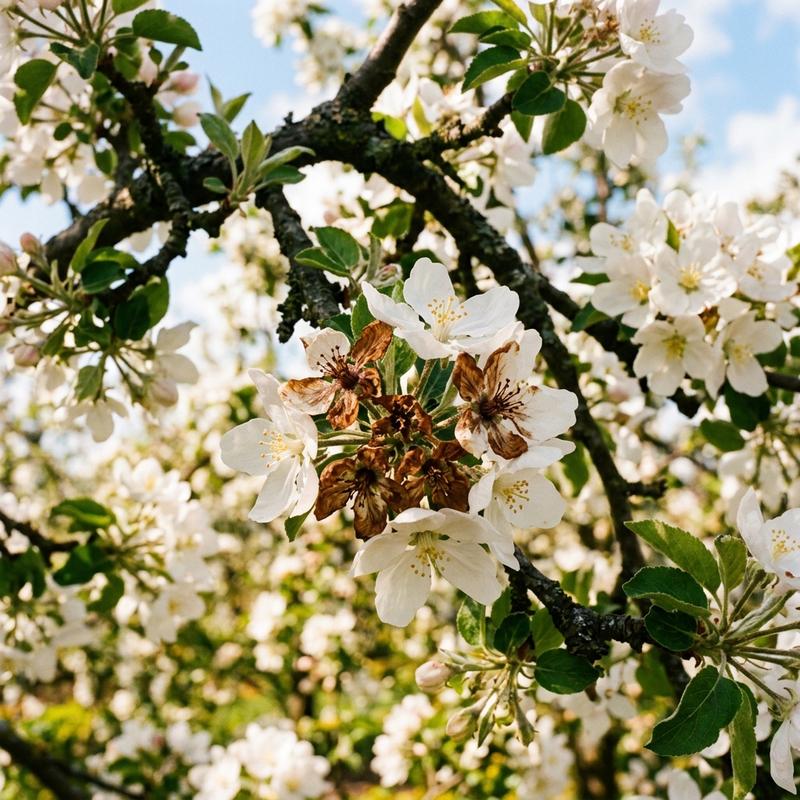
An apple tree covered in pink and white blossoms in spring that fails to produce a crop is experiencing **apple pollination failure**. If you have an **apple tree flowering but no fruit**, or notice **no fruit on apple trees** after a heavy bloom, the cause is usually related to fertilization issues. Understanding **why is my apple tree not producing fruit** helps resolve pollination, frost, or weather limits.
Essential Cross-Pollination Requirements for Apple Trees
Nearly all apple varieties are self-sterile — they cannot pollinate their own flowers and produce a crop without pollen from a genetically different apple variety. Even self-fertile varieties produce significantly better crops when cross-pollinated. For successful fruit set, a compatible pollinator variety must be flowering at the same time within the flight range of bees and other pollinators — generally within 50–100 metres.
Matching Pollination Groups to Prevent Apple Crop Failures
Apple varieties are divided into pollination groups (typically 1–6 in the UK system, or early/mid/late in other systems) based on their flowering time. Two varieties must overlap in flowering time to pollinate each other — a group 1 variety flowering in early spring cannot pollinate a group 5 variety flowering three weeks later. Check the pollination group of your apple and plant a partner in the same or adjacent group (one group earlier or later is usually sufficient overlap).
Why Triploid Apple Varieties Fail to Pollinate Others
Some varieties — including Bramley, Blenheim Orange and Jupiter — are triploid, meaning they produce non-viable pollen and cannot pollinate other apples. A triploid variety needs two different diploid varieties flowering at the same time to ensure its own pollination and to pollinate them. If your only two apple trees include a triploid, fruit set will be poor without a third variety.
Late Spring Frost Killing Open Apple Blossoms
A late frost event during or just after flowering kills open blossoms — the petals may look intact but the central stigma and ovary (visible as a tiny greenish bump at the flower's centre) turns black and the flower cannot develop into fruit. Check flowers after any frost event — blackened centres confirm frost damage. Protect blossom with horticultural fleece overnight when frost is forecast during flowering.
Poor Weather Blocking Pollinators from Setting Fruit
Bees and other pollinators do not fly in cold (below 10°C), wet or very windy weather. If the entire flowering period coincides with a week of cold rain, pollination simply does not happen regardless of whether a compatible partner is present. Nothing can be done in-season for weather-caused failure, but ensuring the tree has many opportunities to set fruit in better years by having a strong compatible pollinator is the best hedge.
Ensure reliable fruit set on your apple tree every year
The SelfEcoFarm apple guide covers the pollination system, compatible variety selection and management approach for consistent, heavy apple crops.
Get the apple guide