Why Is My Apple Tree Not Flowering? Encouraging Spring Blossom
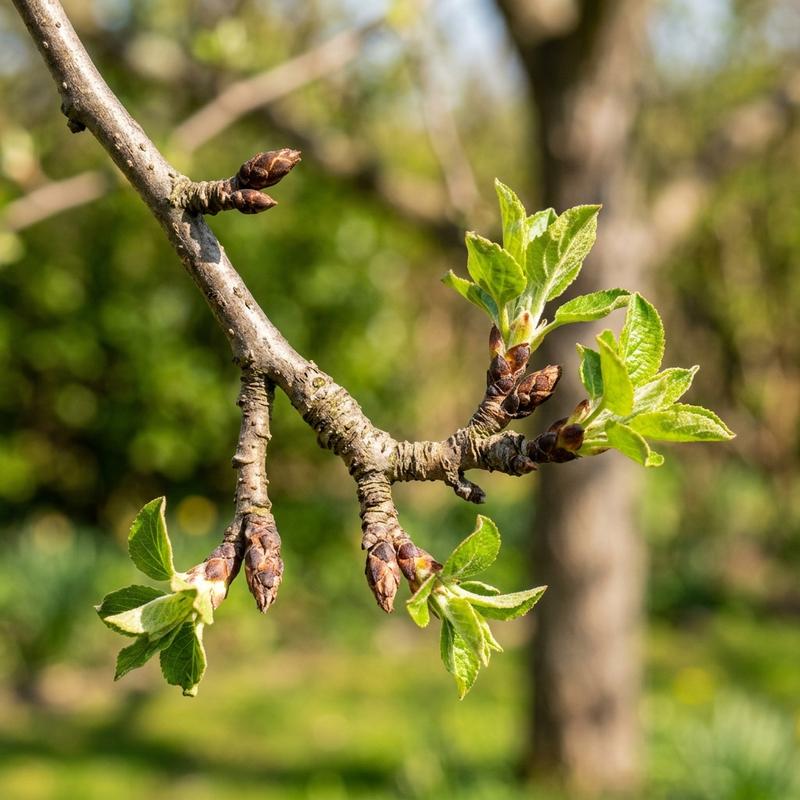
An apple tree that produces nothing but leaves year after year is one of the most frustrating experiences. Spring blooms are the essential first step to harvests. If your **apple tree not blossoming** issue persists, or if you have an **apple tree not producing flowers**, identifying the root cause makes it possible to learn **how to encourage apple tree blossom** next year.
Immature Rootstocks Preventing Apple Tree Blossom
Apple trees on standard rootstocks can take seven to ten years from planting before they flower reliably. On semi-dwarfing rootstocks (MM106) flowering typically begins at three to five years; on dwarfing rootstocks (M9, M26) trees may flower in their second or third year. If your tree is younger than three years old, patience is the correct response. If it is on a vigorous rootstock and five years old or less, continued patience may still be required.
Excessive Soil Nitrogen Restricting Flower Bud Formation
An apple tree growing in rich, nitrogen-heavy soil — under a thick layer of fresh manure, heavily fed lawn, or regular high-nitrogen fertiliser — is constantly pushed toward vegetative leaf and shoot growth rather than the reproductive phase that produces flowers. Flower bud formation requires a degree of nutrient stress (particularly nitrogen stress) to trigger the hormonal shift toward reproduction. Stop any nitrogen feeding and switch to a potassium-rich fertiliser (sulphate of potash) to encourage the tree toward flowering.
Severe Pruning Removing Critical Flowering Spurs
Heavy pruning — especially cutting back all lateral shoots annually — removes the short spur growths on which apple flower buds form. Apple flowers form on two-year-old and older spurs and short laterals, not on current-season growth. If every branch has been cut back to the main framework each year, the tree regrows vegetatively every time and never develops spurs. Learn the difference between spur-bearing and tip-bearing varieties and prune accordingly, removing only a third of growth at most.
Insufficient Winter Chilling Hours Blocking Spring Blooms
Most apple varieties require a period of cold winter temperatures (below 7°C) — called chilling hours — to break dormancy and trigger blossom in spring. In unusually mild winters or in very warm climates, trees do not accumulate sufficient chilling hours and either do not flower at all or flower erratically. If you are in a warm climate, choose low-chill varieties specifically bred for warm winters.
Get your apple tree flowering and fruiting reliably
The SelfEcoFarm apple guide covers the rootstock selection, pruning technique and management approach for consistent annual flowering and heavy crops.
Get the apple guide