Rosy Apple Aphid Control: Treating Curled Spring Foliage
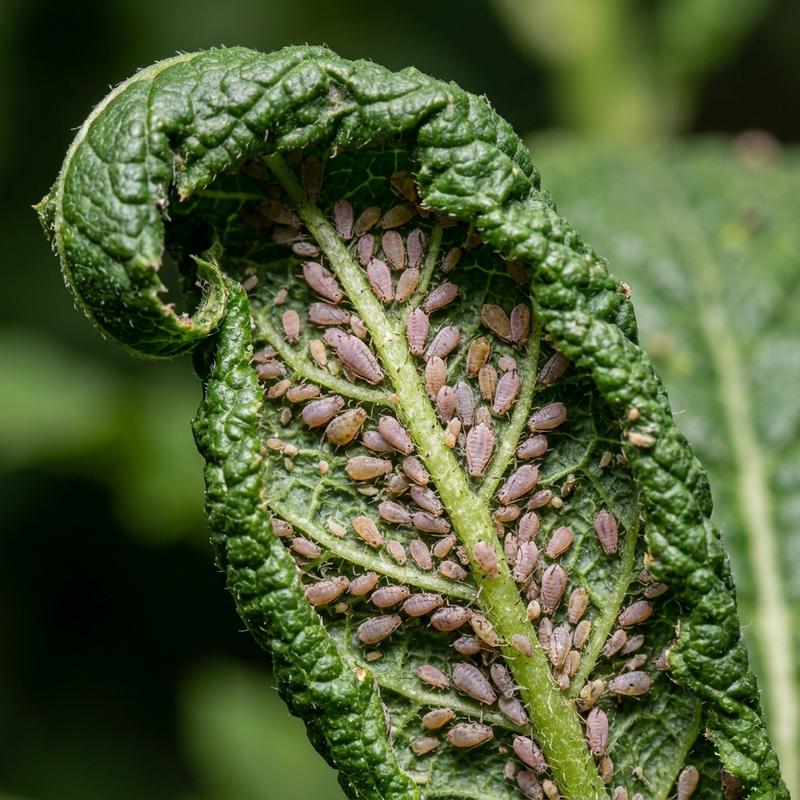
Apple growing tips in spring that produce curled, puckered leaves are showing signs of pest infestation. **Rosy apple aphid damage** is one of the most destructive spring issues. Catching the pests early and implementing proper **rosy apple aphid control** prevents fruit distortion. Understanding the triggers behind **curled apple leaves in spring** and managing **honeydew on apple leaves** is essential.
Identifying Rosy Apple Aphid Damage in Spring
Rosy apple aphid colonies are found on the undersides of tightly curled young leaves and on the stems of developing fruitlet clusters. The aphids themselves are small (1–2 mm), pale greyish-pink to rosy-brown. The leaf curling caused by rosy apple aphid is tighter and more persistent than that caused by green aphid species — even after the aphids leave, leaves that have been infested may remain curled for weeks. Honeydew and sooty mould on the upper leaf surfaces indicate the presence of aphids underneath.
The Lifecycle and Damage Window of Rosy Apple Aphids
Rosy apple aphid eggs hatch as apple buds open in early spring. The crawling nymphs infest the first available growing tissue before natural predator populations have built up. The critical damage window is from bud burst through to fruitlet set — about four to six weeks. After this, winged forms migrate to plantain weeds and the apple infestation declines naturally. The fruit-distortion damage, however, is already done by the time the aphids leave.
Effective Organic Rosy Apple Aphid Control Measures
Apply a winter plant oil emulsion spray in January to kill overwintering eggs on the bark — this gives the most significant population reduction. At the green cluster stage in early spring (before flowers open), apply insecticidal soap, pyrethrum or thiacloprid to reduce the initial crawling nymphs. Avoid broad-spectrum insecticides at flowering, which kill pollinating bees. Encourage aphid predators: ladybirds, hoverfly larvae and lacewings feed actively on aphid colonies.
Protect your apple tree's spring growth from rosy apple aphid
The SelfEcoFarm apple guide covers the winter wash timing, spring treatment approach and natural predator management for controlling rosy apple aphid before it damages your fruit.
Get the apple guide