Apples Covered in Sooty Blotch: Prevention Guide
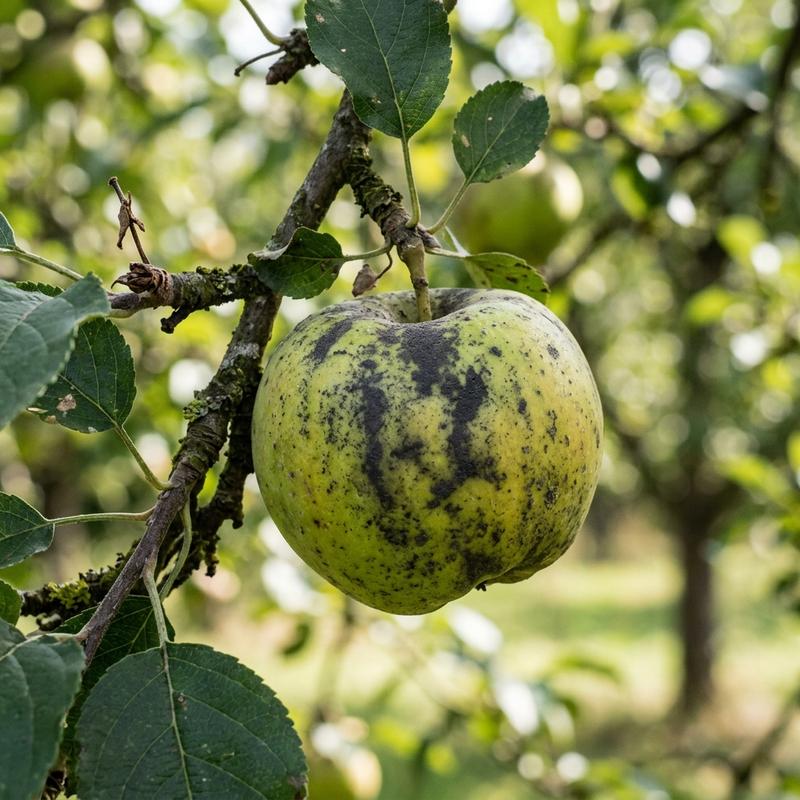
Apples harvested with dark smudges have a superficial fungal surface disease. If you find your **apples covered in sooty blotch** or notice **sooty blotch and flyspeck**, the flesh is unaffected. Wiping the **black spots on apple skin** reveals clean fruit, but you can **prevent apple sooty blotch** by altering the tree canopy environment.
Weather Conditions That Favor Sooty Blotch and Flyspeck
Both sooty blotch and flyspeck require prolonged wet weather and high humidity — a wet summer with extended leaf wetness is the main risk factor. They are more severe in: dense, overcrowded canopies where air circulation is poor and surfaces stay wet longer; orchards with a history of these diseases on surrounding trees and hedgerows; and years with high rainfall from July onward. Both diseases develop slowly — visible symptoms typically appear in late summer as the fungi have had the entire season to colonise the fruit surface.
Can Sooty Blotch Be Cleaned from Apple Skin?
Yes — the fungal growth is on the surface of the waxy cuticle layer and can be scrubbed off with a clean damp cloth or vegetable brush under running water. Wiping firmly removes most of the discolouration. The fruit underneath is clean and sound. Sooty blotch does not penetrate into the flesh and does not affect storage life of otherwise sound fruit.
How to Prevent Apple Sooty Blotch Outbreaks
Open the tree canopy with annual pruning to improve airflow through the centre. Avoid creating very dense growth by removing crossing and congested branches. Apply captan, copper or sulphur fungicide sprays from petal fall onward in seasons with consistently wet summers — these prevent the surface fungal colonisation if applied preventively rather than curatively. Harvest at the correct time and do not leave ripe fruit on the tree through autumn wet weather.
Prevent sooty blotch for clean, attractive apple harvests
The SelfEcoFarm apple guide covers the pruning, air circulation management and fungicide timing approach for preventing surface diseases on apple fruit in wet climates.
Get the apple guide