When Are Apples Ready to Pick? How to Determine Harvest Time
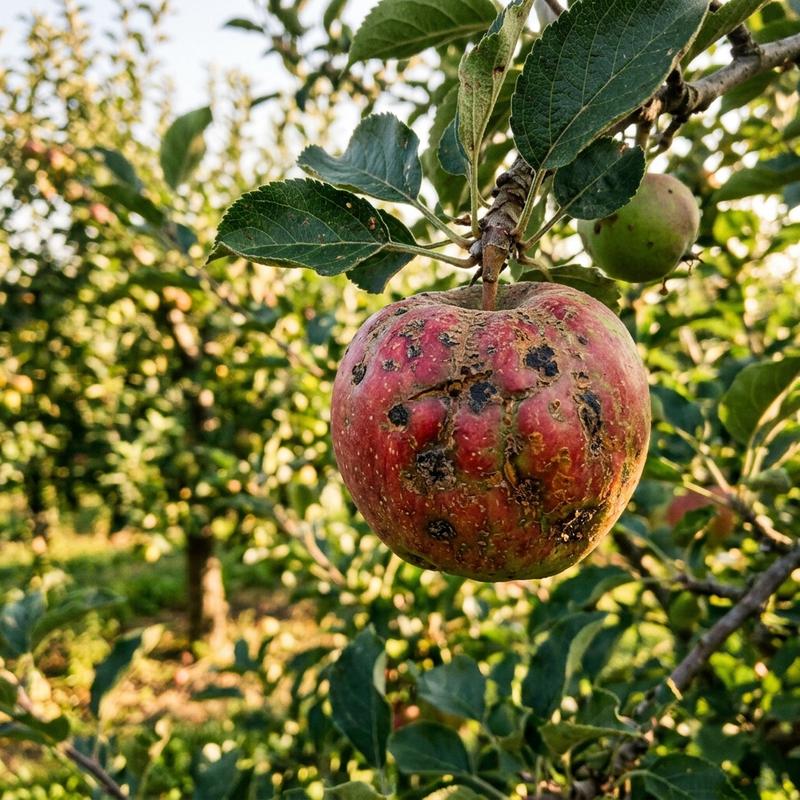
Determining when to pick your fruit can be challenging. Color changes can be misleading. Learning **when to harvest apples** and understanding **when are apples ready to pick** ensures a delicious yield. Master the **easy-release harvest test** and the **apple starch-iodine test** for the most accurate timing.
The Easy-Release Lift and Twist Harvest Test
Cup an apple in your palm and lift it gently, twisting slightly as you raise it. If it releases cleanly and easily from the spur with a short, smooth movement, it is ready to harvest. If you have to pull firmly or the apple clings tenaciously to the spur and the stem bends or the spur tears, it is not yet ready. Repeat this test daily on a different apple from different parts of the tree — within a day or two of ripeness, the whole tree will release easily. This test is fast, free and requires no equipment.
Measuring Sugar Conversion with the Apple Starch-Iodine Test
Cut an apple in half horizontally and brush the cut surface immediately with dilute iodine solution (1% potassium iodide solution). The iodine reacts with starch and turns dark blue-black, while areas that have converted starch to sugar remain cream-yellow. An unripe apple is almost entirely dark blue; a fully ripe apple is almost entirely cream. Most growers harvest when the starch-iodine reading shows the fruit is 75–90% converted — fully cream may indicate over-ripeness in some varieties.
Seasonal Picking Windows for Early, Mid, and Late Varieties
Early varieties (Discovery, Beauty of Bath) ripen in late July to August and have a very short pick window of one to two weeks. Mid-season varieties (Cox, James Grieve) ripen September to October. Late varieties (Bramley, Granny Smith in warm climates) ripen October to November and keep well into spring. Knowing your variety's approximate season helps narrow down when to start testing.
Post-Harvest Care and Cool Storage Guidelines
Early varieties do not store well — eat within days of picking. Late varieties store best: wrap individually in paper, place in a single layer in a cool (3–4°C), dark location, and check regularly. Never store damaged or bruised fruit with sound fruit.
Harvest your apples at the perfect moment of ripeness
The SelfEcoFarm apple guide covers the complete harvest timing system, storage conditions and seasonal variety calendar for getting the best from every apple you grow.
Get the apple guide