Cantaloupe Growing Slowly? (5 Common Reasons & How to Fix It)
Cantaloupes are vigorous plants that should cover several square meters in a good season, so slow, stunted growth stands out immediately. When a vine sits still for weeks and produces only a few small leaves, something is holding it back. The most common culprits are temperature, nutrition, and soil conditions—all of which are fixable once identified.
Quick Summary: Cantaloupes grow slowly or become stunted due to five primary factors: cold soil, nutrient-poor ground, compacted soil, transplant shock, or pests and diseases. To fix this, pre-warm your soil with black plastic, feed with organic fertilizer, and maintain steady watering.
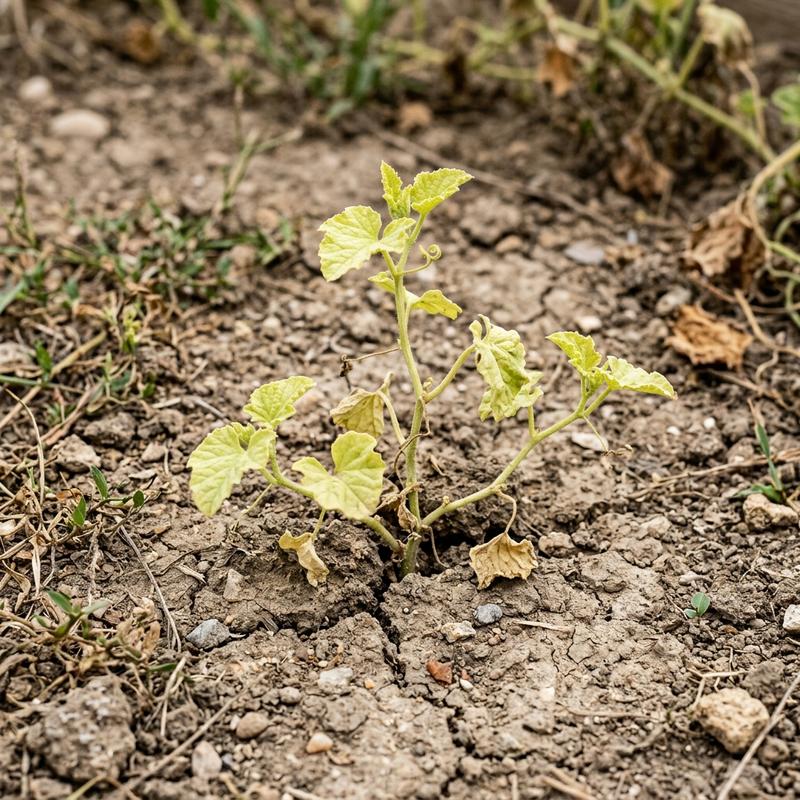
5 Reasons Your Cantaloupe Is Growing Slowly
1. Soil Temperature Is Too Low
Cantaloupe are warm-season crops that actively dislike cold soil. Root growth essentially stalls below 15°C, and even at 18°C the plant moves slowly. If you planted early in spring and nights are still cool, the vine may simply be waiting for warmth. Use a soil thermometer to check — the ideal growing temperature is 21–35°C for roots. Lay black polythene or weed-suppressing membrane over the bed before planting to pre-warm the soil by several degrees. In cooler climates, cloches or fleece tunnels over young plants speed up early establishment significantly.
2. Nutrient-Poor Soil
Cantaloupe are heavy feeders. A plant sitting in thin, depleted, or overly sandy soil simply does not have the fuel to grow quickly. Before the season starts, work in a generous amount of well-rotted manure or compost — at least a full barrow per square metre if the soil is poor. During the growing season, begin liquid feeding with a balanced fertiliser once the plant has four to six true leaves, then switch to a higher-potassium feed when flowers appear. Plants that have never been fed on poor soil can look acceptable but produce almost no growth until you intervene.
3. Compacted or Waterlogged Ground
Roots cannot expand in compacted soil, and the whole plant stalls as a result. If you are growing in heavy clay or on a site that was walked over repeatedly during winter, try forking over the soil to at least thirty centimetres before planting. Raised beds solve this problem entirely. Waterlogged soil is equally restrictive — roots deprived of oxygen slow their uptake of water and nutrients even when both are physically present in the soil.
4. Transplant Shock
Seedlings that were grown in pots and transplanted into the garden often sit still for one to three weeks while they re-establish roots. This is normal and does not mean the plant is failing. Avoid transplanting into cold or wet soil, water in with a diluted seaweed solution to reduce shock, and resist the urge to feed heavily right after transplanting — strong fertiliser on damaged roots causes more harm than good. The plant will typically push a flush of new growth once roots settle in.
5. Pest and Disease Pressure
Aphid colonies on young shoots, mosaic virus infections, and root-knot nematodes in the soil can all stunt cantaloupe growth without causing obvious visible damage at first glance. Check the undersides of leaves for aphid clusters, look at the youngest leaves for mosaic or distortion patterns, and if plants are persistently small despite good care, dig up a failing one and examine the roots for galls that indicate nematode damage. Rotate crops, use resistant varieties, and manage pests early to keep growth on track.