How Do I Treat Peach Leaf Curl Disease?
Peach leaf curl (Taphrina deformans) is one of the most common fungal diseases affecting peach and nectarine trees. If your tree has already developed blistered, pink-red, distorted leaves this season, treatment for this year is very limited — but the good news is that prevention for next season is highly effective when the correct steps are followed.
Quick Summary: There is no cure for peach leaf curl once leaves emerge puckered and red. Complete prevention requires a copper fungicide spray in late winter (January or February) just as buds begin to swell, or installing a rain shelter from November to May to keep spores dry and prevent germination.
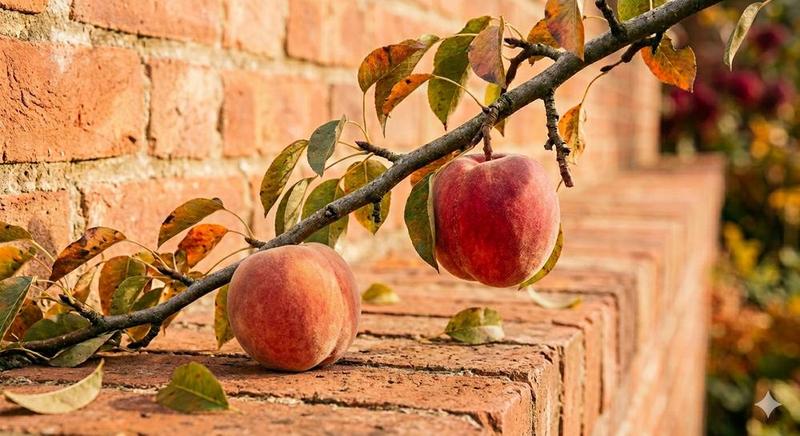
Organic Solutions for Peach Leaf Curl Disease
1. Understanding the Taphrina Deformans Infection Cycle
The fungus Taphrina deformans overwinters as spores on the bark surface, in bud scales, and in bark crevices. In late winter, when temperatures rise and moisture levels are high, spores germinate and infect young leaf tissue as it unfurls from the bud. Once inside the leaf, the fungus is completely protected from surface-applied sprays. The critical window for prevention is the three to four weeks before bud swell, not after symptoms appear.
2. Copper Fungicide Spray Timing
Apply a copper-based fungicide (copper hydroxide, Bordeaux mixture, or copper oxychloride) when the buds are fully dormant but just beginning to show the first signs of swelling — typically late January to mid-February. Thoroughly coat all bark surfaces, branch junctions, and the trunk. A second application in autumn as leaves fall reduces the spore population on the bark for the following winter. Most failures with copper spray are due to applying it too late — when buds are already green-tipped, the window has passed.
3. Building a Physical Rain Shelter
Keeping rain off the buds and young leaves from November to late May prevents spore germination almost entirely without chemical input. For a fan-trained peach on a wall, erect a simple frame of canes over the tree and drape clear polythene or polycarbonate sheeting over it. Ensure the sides are open for ventilation and pollinator access during flowering. This is the most reliable long-term solution for peach leaf curl in wet climates and, once built, the frame can be re-used every year.
4. Post-Infection Tree Care
If your tree is already infected this season, pick off all blistered leaves as soon as they appear and dispose of them in the bin — never the compost. This reduces the spore load on the bark. Feed the tree with a balanced fertiliser to support a strong second flush of leaves after the infected ones drop. The second flush is almost always healthy because it emerges after the spore germination season is over.
5. Planting Leaf Curl Resistant Varieties
The variety Avalon Pride has demonstrated practical resistance to peach leaf curl in trials. If you are planting a new tree and leaf curl has been a persistent problem in your garden, this variety is worth considering, particularly for free-standing trees where building a rain shelter is not practical.