Can I Grow Rhubarb from Seed and Is It Worth It?
Rhubarb can be grown from seed, but it is significantly less reliable and more time-consuming than starting from a division or purchased crown. The reasons are straightforward: rhubarb grown from seed is genetically variable — seedlings from even a named variety will not come true, meaning you may end up with plants that are quite different from the parent in terms of vigour, stalk colour, flavour or productivity. For a crop as long-lived and space-occupying as rhubarb, starting with known, quality crown material is almost always the better choice.
Quick Summary: Rhubarb seed germination takes 10 to 21 days at a soil temperature of 15–18°C. Sow seeds indoors in late winter (February or March). However, seed-grown rhubarb takes three years to yield a full harvest and does not grow true-to-type, making certified crowns a faster and more predictable choice.
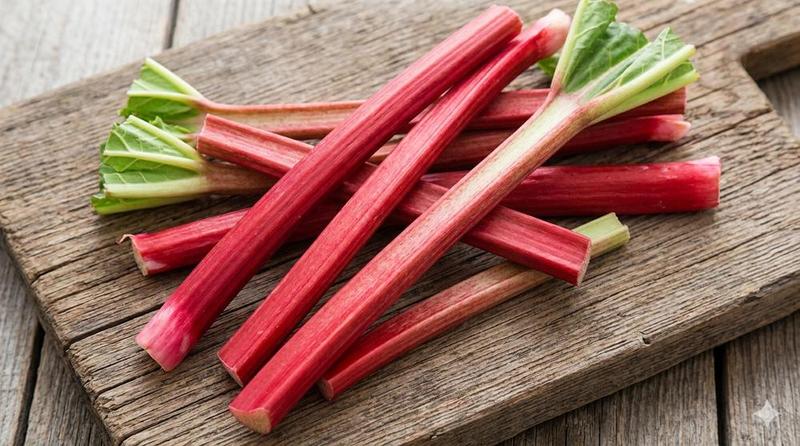
Is Sowing Rhubarb Seeds Worth It?
1. Sowing and Rhubarb Seed Germination Time
If you do want to grow from seed — for example to produce large numbers of plants cheaply or as an experiment — sow seeds indoors in modules or small pots in February or March. Use moist seed compost, cover seeds lightly, and maintain a temperature of 15–18°C. Germination is usually erratic — some seeds appear within ten days, others take four to six weeks. Seedlings should be grown on through their first summer before planting out in autumn.
2. How Long Before Harvesting Seed-Grown Rhubarb?
Seed-grown rhubarb follows the same establishment rule as crown-grown plants: no harvesting in the first year, minimal harvesting in the second year, and normal harvesting from the third year onwards. This means a gap of three years from sowing to a proper harvest — compared to two years from a purchased crown. The additional year of seed germination and seedling growing simply delays everything by twelve months.
3. When Starting Rhubarb from Seed Makes Sense
If you have a flowering rhubarb plant and want to experiment, sowing the seeds you collect is a low-cost way to produce additional plants. The results will be variable but some seedlings may be excellent. For new growers establishing a permanent planting, purchasing named variety crowns is more reliable and only marginally more expensive.